
Ancient Legends, Modern Challenges: Protecting the Amazon’s Pink River Dolphins
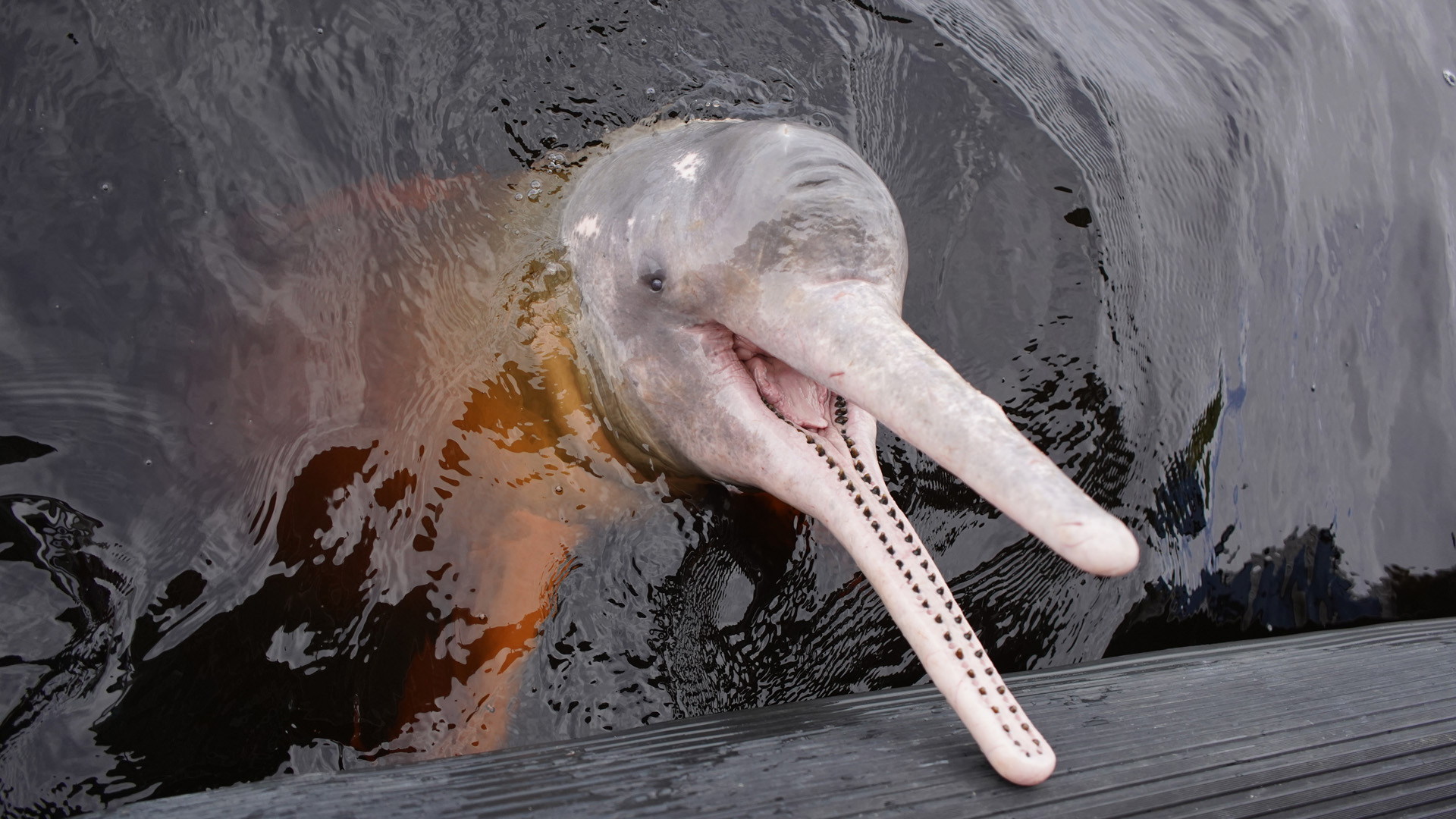
The Amazon river dolphin is known as the boto in Brazil and as bufeo or bufeo Colorado in Spanish-speaking parts of the Amazon Basin, including Peru, Colombia and Bolivia. No matter what we call them, freshwater river dolphins hold significant cultural importance among the Indigenous and riverine communities of the Amazon Basin.
In Amazonian folklore, botos are often depicted as shapeshifters, referred to as “encantados,” who transform into attractive humans during the night to seduce villagers. Encantados are believed to attend local festivities, donning hats to conceal their blowholes, and engage in romantic encounters before returning to the river by dawn—a sweet way to account for the children born months later!
Such legends have traditionally fostered a protective attitude toward the Amazon river dolphins, contributing to their conservation. Harming or killing a boto was considered taboo and thought to bring misfortune or bad luck, but changing cultural dynamics and increasing human activities have erased the benefit of those traditional protections.
Contemporary World Wildlife Fund research shows that global river dolphin numbers have plummeted by 73% since the 1980s, with water infrastructure, unsustainable fishing, pollution, and other threats endangering their existence.
This article was inspired by recent footage WWF shared from Ecuador’s Amazon Basin in the Cuyabeno Wildlife Reserve, where Amazon river dolphins were filmed playing in ways rarely observed in the wild—swimming alongside kayakers, leaping and interacting with each other. The sighting provides new insights into the social behaviors of Amazon river dolphins.
(function(d,u,ac){var s=d.createElement(‘script’);s.type=’text/javascript’;s.src=’https://a.omappapi.com/app/js/api.min.js’;s.async=true;s.dataset.user=u;s.dataset.campaign=ac;d.getElementsByTagName(‘head’)[0].appendChild(s);})(document,123366,’jql4iub1rmvkgogn0tjr’);
Amazon River Dolphin Facts
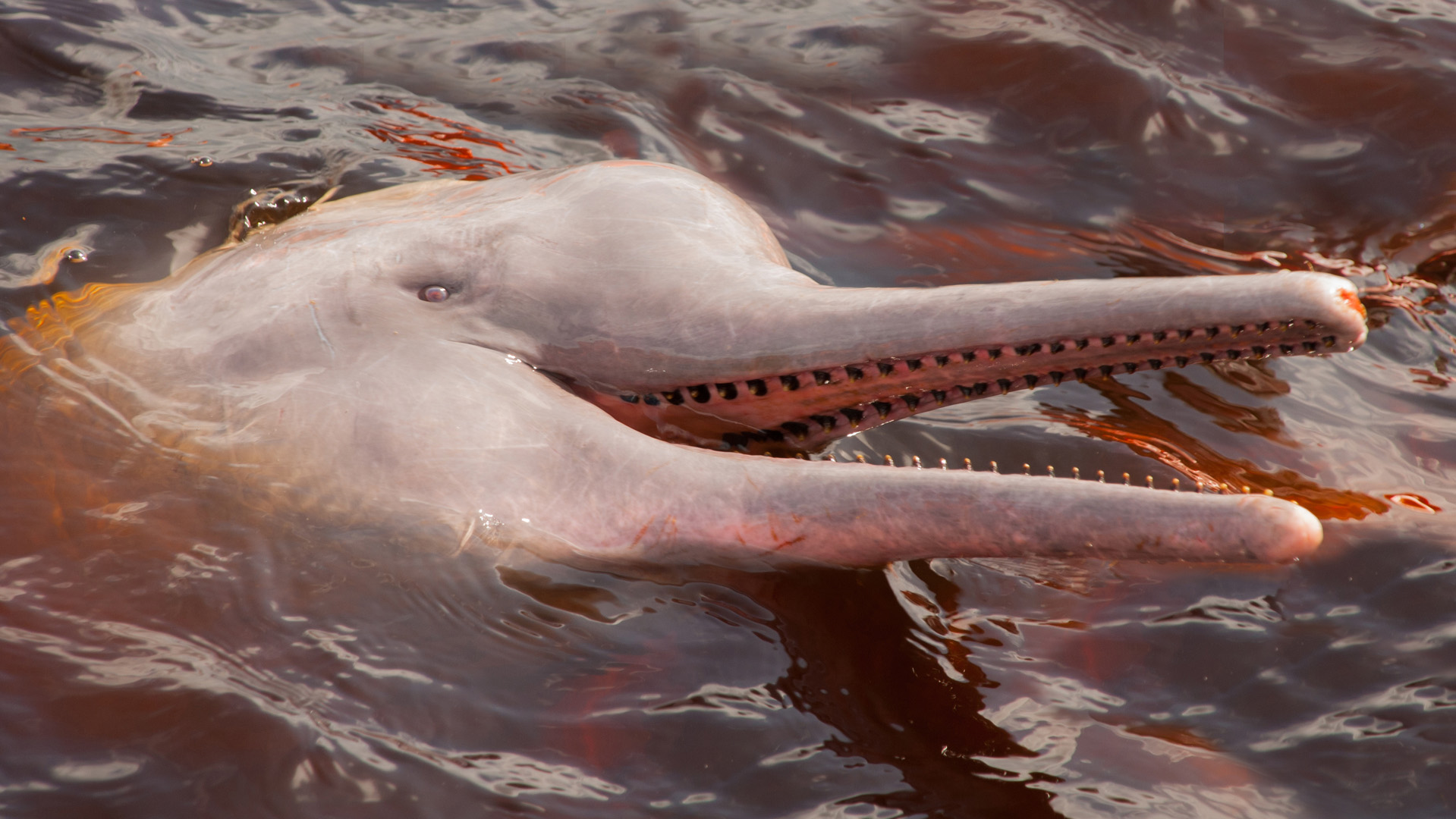
There are six species of river dolphins remaining in the world today; they are all endangered or critically endangered. The Amazon’s pink river dolphin is the largest of them at up to 9 feet long and 350 pounds.
The pink river dolphin also has the largest range and is found throughout much of the Amazon and Orinoco river basins in Bolivia, Brazil, Colombia, Ecuador, Guyana, Peru and Venezuela.
The species is characterized by its long snout and pale pink color. It has two recognized types or subspecies:
- Bolivian Bufeo (Inia geofferensis boliviensis)
- Common Bufeo (Inia geoffrensis geoffrensis)
The Amazon pink river dolphin, also known as the boto, is a unique freshwater cetacean native to the Amazon and Orinoco river basins. Here are some key facts about its biology and behavior:
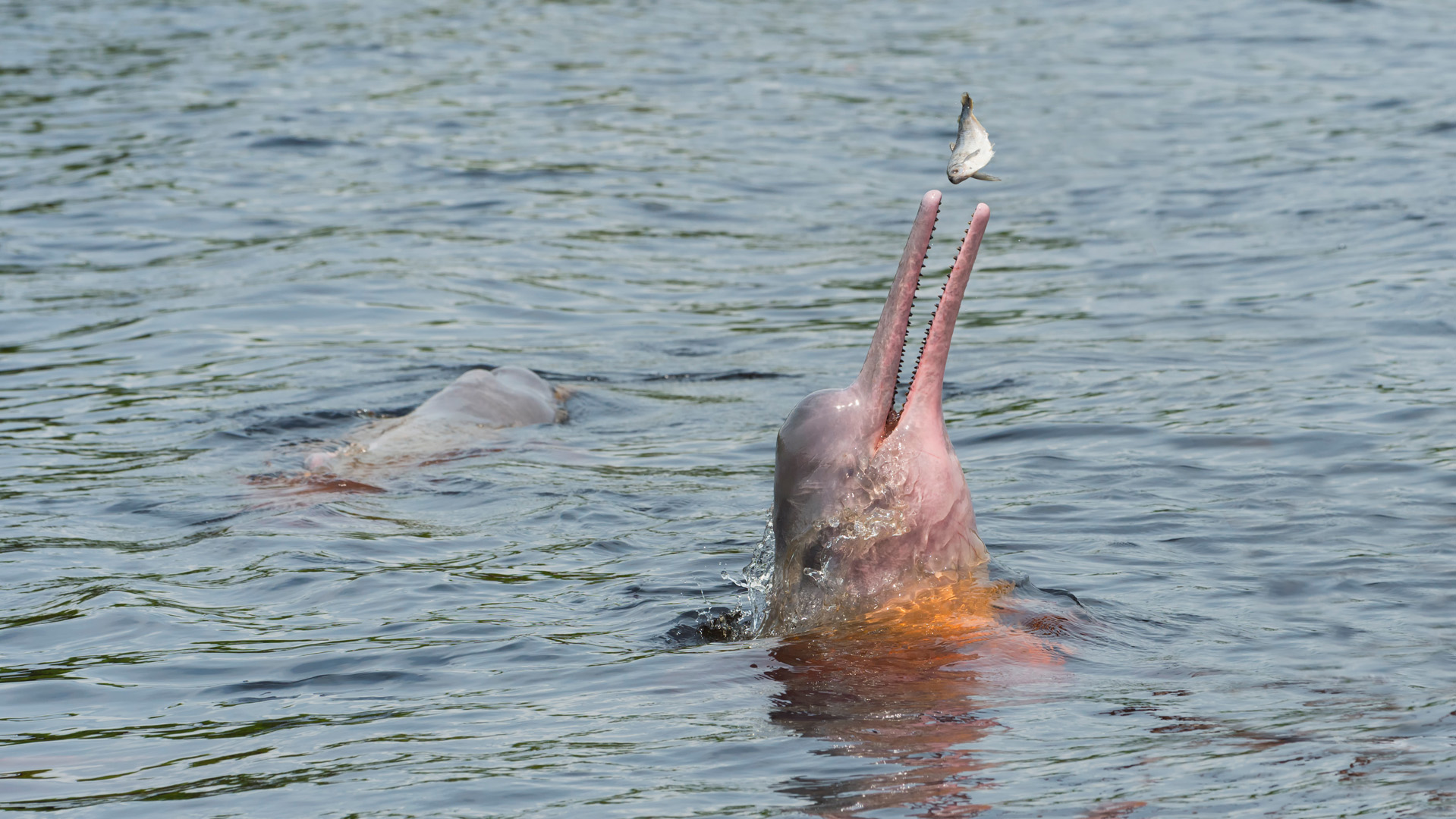
Physical Characteristics:
- Size and Weight: Adult males can reach up to 2.5 meters (8.2 feet) in length and weigh as much as 185 kilograms (408 pounds). Females are generally smaller, averaging around 2.25 meters (7.4 feet) and weighing between 100 to 160 kilograms (220 to 352 pounds).
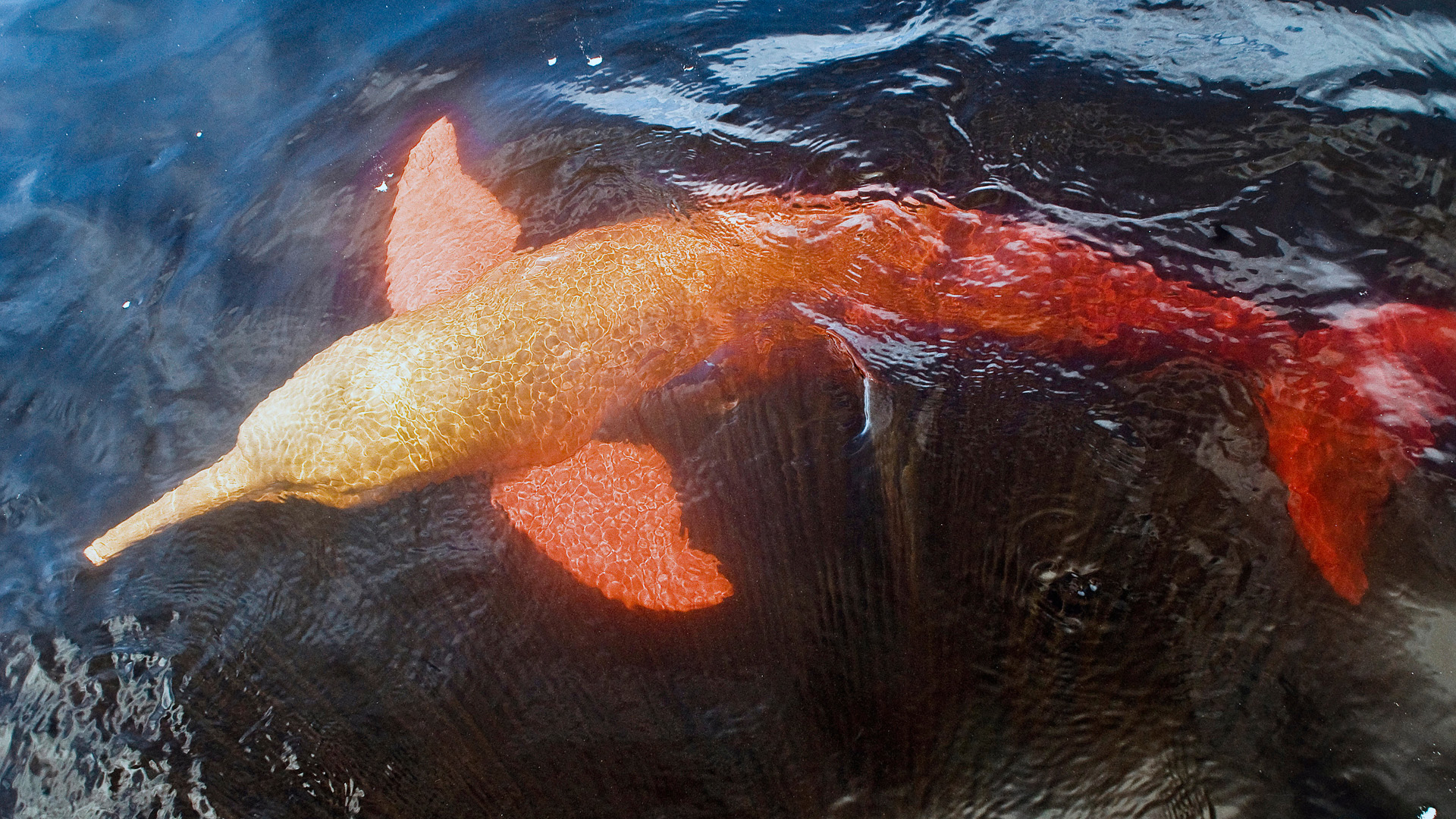
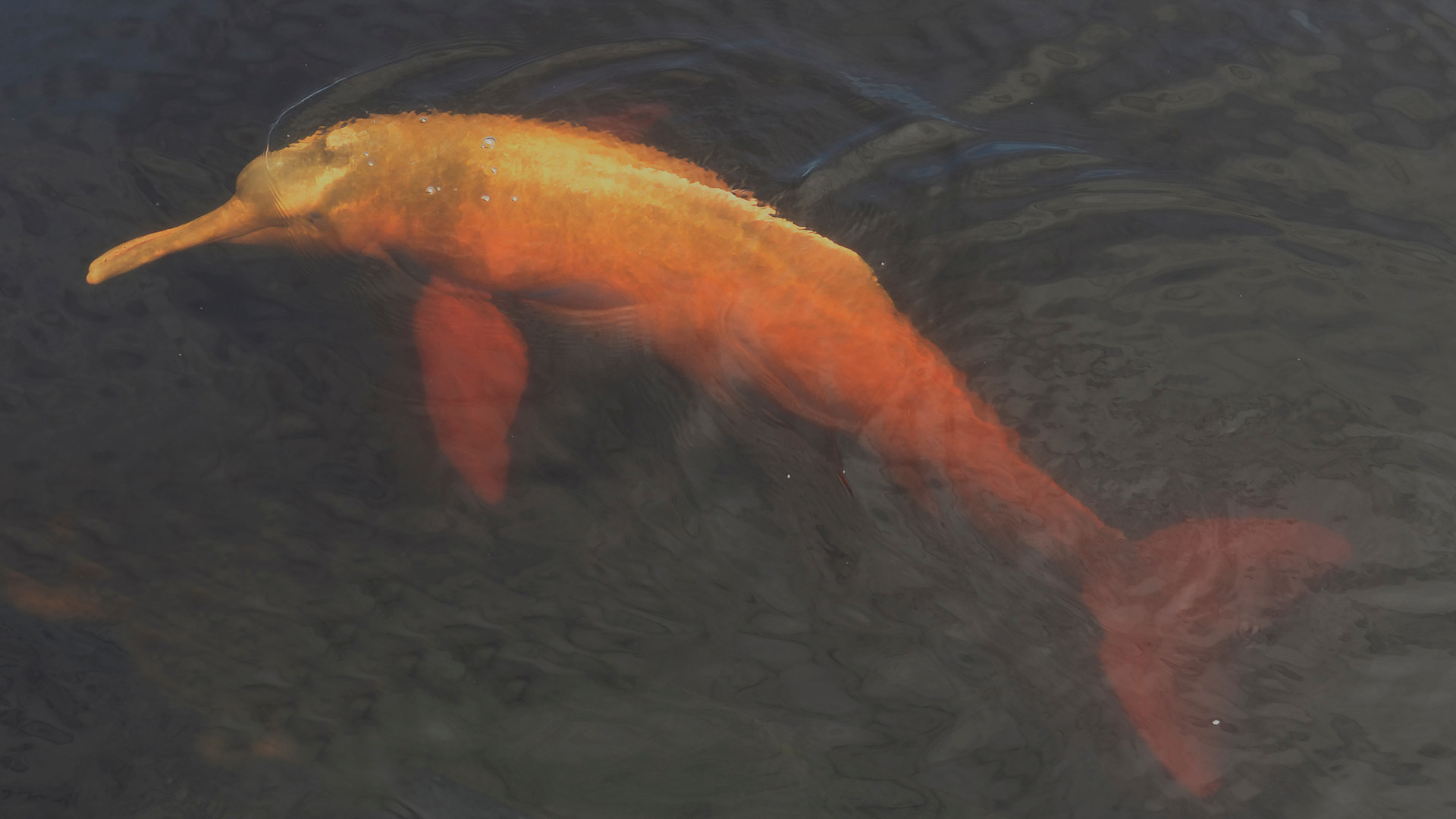
- Coloration: While calves are typically dark gray, adults exhibit a distinctive pink coloration. This pink hue is more pronounced in males and is believed to result from scar tissue formed during social interactions or combat. The pinkish coloration is a result of the blood vessels located along the body and increases with age.
- Anatomical Adaptations: Unlike marine dolphins, the boto possesses unfused cervical vertebrae, allowing it to turn its head up to 90 degrees. This flexibility aids in maneuvering through flooded forests and complex riverine environments. Pink river dolphins can navigate through the forest and maneuver with their specially adapted necks, which can be moved sideways.
Behavior and Ecology:
- Diet: Amazon river dolphins have a diverse diet, feeding on over 50 species of fish, including piranhas, tetras, catfish, and cichlids. They also consume freshwater crabs and turtles.
- Habitat Utilization: These dolphins inhabit a variety of freshwater habitats, such as rivers, small channels, and floodplains. During the wet season, they venture into flooded forests, taking advantage of the expanded foraging area.
- Social Structure: Botos are generally solitary or found in small groups, typically consisting of a mother and her calf. Larger aggregations may form in areas with abundant food resources.
- Reproduction: Females reach sexual maturity between 6 to 10 years of age, while males mature later, around 7 to 12 years. The gestation period is approximately 11 to 12 months, usually resulting in the birth of a single calf.
- Echolocation: Due to the often turbid waters of their habitat, Amazon river dolphins rely heavily on echolocation to navigate and hunt, emitting a series of clicks to detect objects and prey.
Understanding the biology and behavior of the Amazon pink river dolphin is crucial for developing effective conservation strategies to ensure the survival of this remarkable species.
Threats Facing Amazon River Dolphins
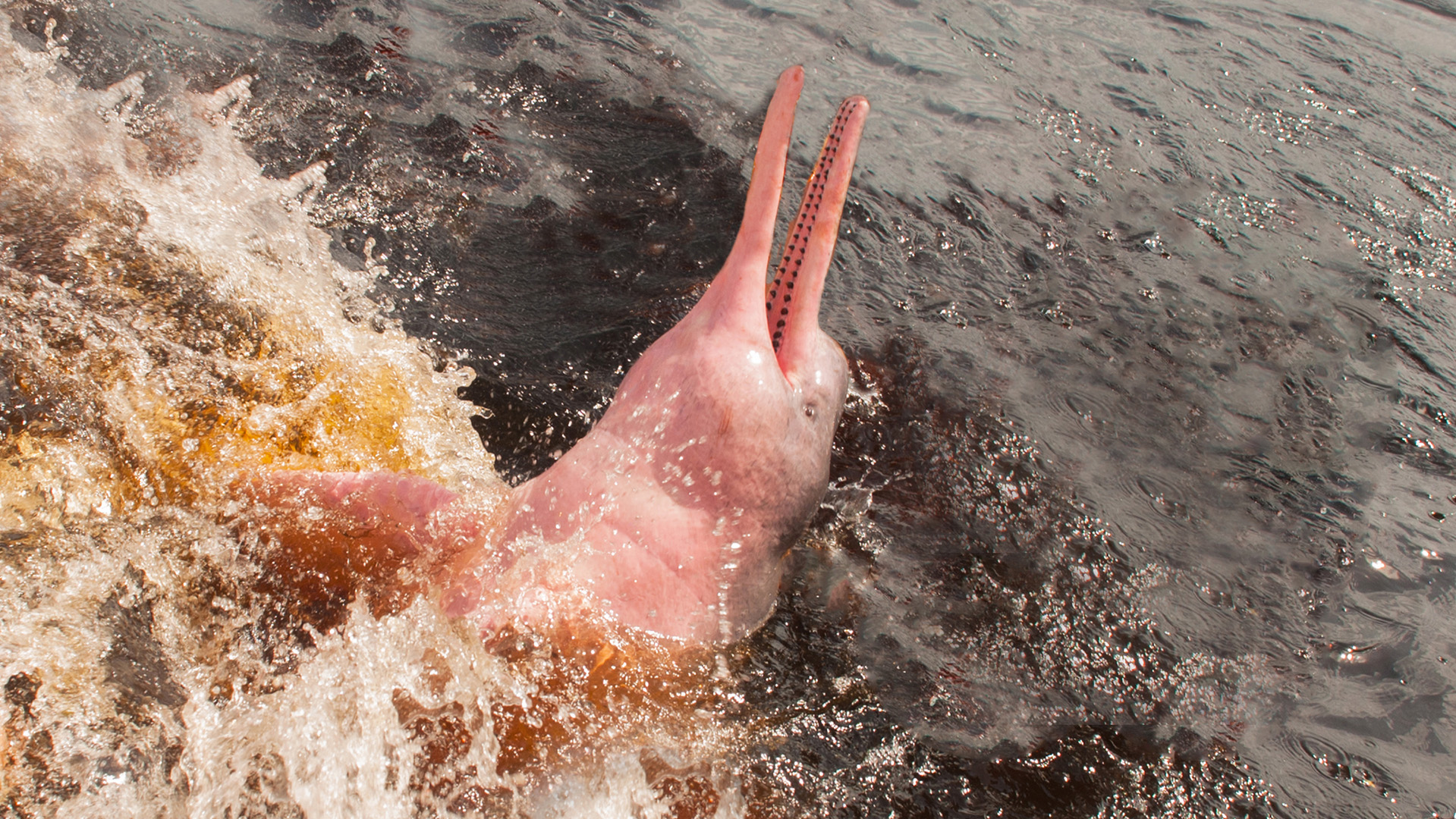
Amazon river dolphins face several threats, including habitat fragmentation from dam construction, pollution (notably mercury contamination from gold mining), deforestation, entanglement in fishing gear, and deliberate hunting for use as bait in certain fisheries.
Across their range, Amazon pink dolphins face threats including:
- habitat loss and fragmentation as a result of unsustainable development
- entanglement in fishing nets
- hunted for fish bait
- pollution
- climate change—heat and drought
The Amazon River dolphin faces challenges from development projects. Dam construction fragments populations and limits the species’ range and ability to breed. Pollution, including mercury, also impacts these dolphins. They’re also often deliberately killed for use as bait in the mota catfish fishery, which gathers fish that demand high prices in cities.
Freshwater dolphin conservation has had good results in other areas of the world, though, prompting optimism. “Now is the time to act,” said Jordi Surkin, WWF`s director of the Amazon region coordination unit. “These dolphin populations are still strong, and their habitats are in relatively good shape. If we address the threats now, we can ensure a future for all.”
River dolphins act as indicators of ecosystem health in the river basins where they live. If the dolphin population in a river is thriving, then the overall state of that freshwater system is also likely flourishing. But if that population is on the decline, then it’s considered a red flag for the ecosystem as a whole.
Recent research indicates the downward trend is continuing, and climate change is a growing threat. In 2023, more than 330 river dolphins died in just two lakes during a period of extreme heat and drought, highlighting the increasing threat to river dolphins posed by climate change.
Tracking the Amazon River Dolphin to Drive Conservation
WWF and numerous partner organizations are actively working to protect these dolphins through habitat conservation, research initiatives, and community engagement to promote sustainable practices.
Despite their iconic status, relatively little is known about Amazon river dolphin populations, habits and key habitats. While there are estimated to be tens of thousands of river dolphins, both pink and gray river dolphin species are currently listed as Data Deficient on the IUCN Red List of Threatened Species.
Counting & Monitoring: In 2020, a comprehensive 9-day survey led by WWF, the Omacha Foundation, the Mamirauá Institute, Solinia, and the South American River Dolphin Initiative (SARDI) traversed a 950-kilometer stretch of the Amazon River across Peru, Colombia, and Brazil to monitor and protect Amazon river dolphins.
The survey revealed:
- 484 pink river dolphins (Inia geoffrensis)
- 442 gray dolphins (Sotalia fluviatilis)
- a higher concentration of dolphins between Peru and Colombia,
- a noticeable decline in numbers along the Brazilian stretch, raising concerns about environmental pressures or human impacts affecting dolphin populations in certain regions.
This large-scale monitoring, spanning over 3,000 miles of river in the Amazon Basin and using methods like drones and river expeditions, provides essential data on population dynamics and dolphin habitats. These insights help conservationists understand the impacts of threats like habitat loss, pollution, and climate change. SARDI’s efforts, combined with community engagement programs, foster local stewardship, empowering those who live closest to the river to participate in the dolphins’ protection. Together, these initiatives are building an international framework to protect Amazon river dolphins and their essential habitats, ensuring a sustainable future for these unique freshwater species.
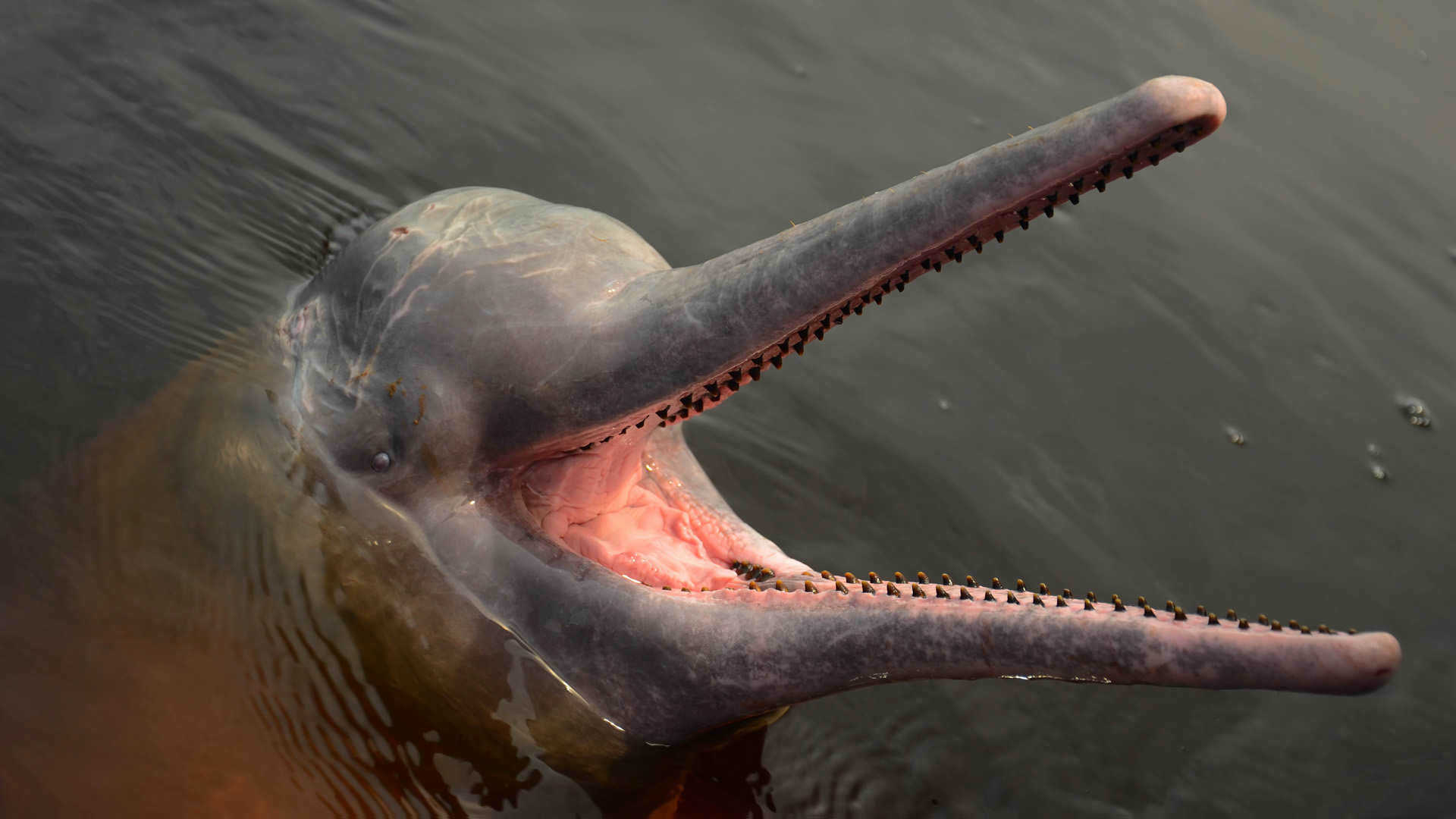
Satellite Tracking: In 2017, WWF and research partners attached small transmitters to 11 dolphins—both Amazon and Bolivian river dolphins—in Brazil, Colombia and Bolivia, to gain new insight into the animals’ migration patterns, feeding grounds, and seasonal movement, providing valuable insights into their habitats and movement within the basin.
The information gathered from the tags will help :
- create stronger conservation plans,
- illuminate threats,
- better advocate for the protection of river dolphins and their habitats, and
- prove these animals depend on connected river systems for survival.
Marcelo Oliveira, a WWF conservation specialist who led the expedition in Brazil, said:
“Satellite tracking will help us better understand the lives of this iconic Amazonian species more than ever before, helping to transform our approach to protecting them and the entire ecosystem. Tracking these dolphins is the start of a new era for our work because we will finally be able to map where they go when they disappear from sight.”
Studies use telemetry data to map overlaps between dolphin habitats and areas of anthropogenic impact, such as planned dams and pollution hotspots. One study published in Cambridge University’s Oryx: The International Journal of Conservation relied on satellite tracking data from eight dolphins (one female and seven males) in the Peruvian Amazon, demonstrating that the dolphins inhabit a variety of habitat types and have core areas and home range areas of variable magnitudes.
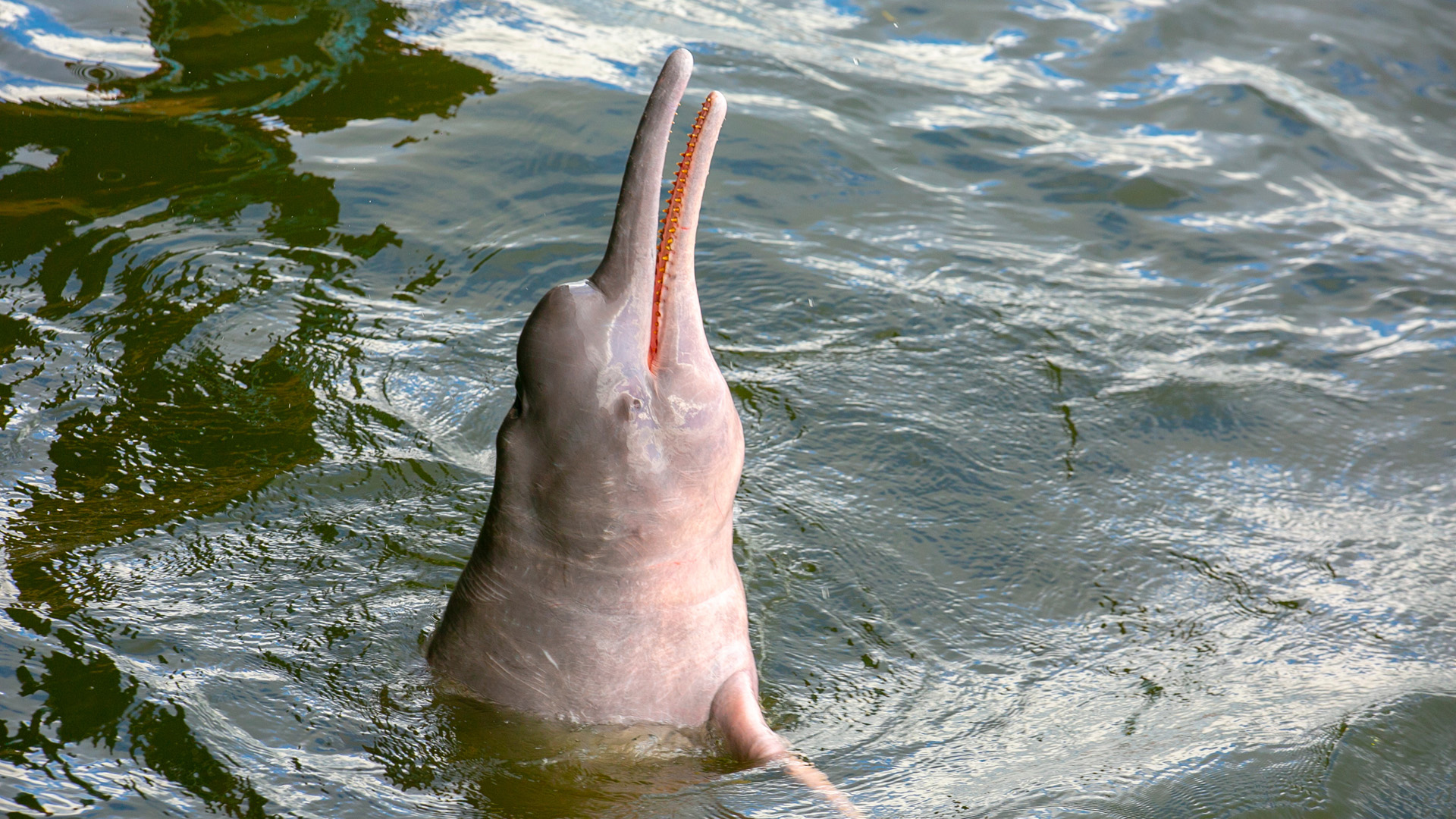
To gain a better understanding of exactly how threats affect the dolphins, the authors examined the distance of dolphin records to locations of current and potential future threats posed by human activities:
- On average, dolphins’ home ranges overlapped with fisheries by 89%.
- Dolphins were found at an average distance of 252 km (826 ft) from the nearest proposed dam.
- Dolphins were tracked closer to proposed dredging sites—125 km (410 ft) from the nearest.
Tracking data supports conservation in a variety of ways, including:
- identifying high-priority habitats,
- focusing protection efforts,
- offering decision-making support.
These kinds of data can guide efforts to tackle some of the major threats facing river dolphins, including hundreds of planned dams that would separate many of the Amazon’s remaining free-flowing rivers, worsening mercury contamination from small-scale gold mining and illegal fishing. This would result in further habitat fragmentation—groups of dolphins being cut off from one another, unable to interact and breed and potentially threatening the long-term survival of these populations.
During tagging, scientists also collect samples to determine mercury levels and the general health of the dolphins.
Role of Local Communities in Freshwater Conservation
WWF’s 2024 Living Planet Report indicates there has been a catastrophic 73% decline in the average size of monitored wildlife populations in just 50 years (1970-2020). The strongest decline is in freshwater ecosystems (-85%) upon which river dolphins rely. As a result, a variety of conservation efforts are focused on these areas:
- Community Partnerships: Discuss WWF’s collaboration with local groups to promote sustainable practices that reduce mercury use and improve fishing techniques, benefiting both people and wildlife.
- Community Education: WWF educates communities about the ecological role of dolphins, reinforcing traditional beliefs and promoting eco-friendly livelihoods that safeguard both human and dolphin health.
- WWF engages local communities and partners with governments to identify solutions that bridge the needs of economic development and conservation—including providing scientific support to help find dam locations that will do the least harm to the environment. Travel plays a role in this work.
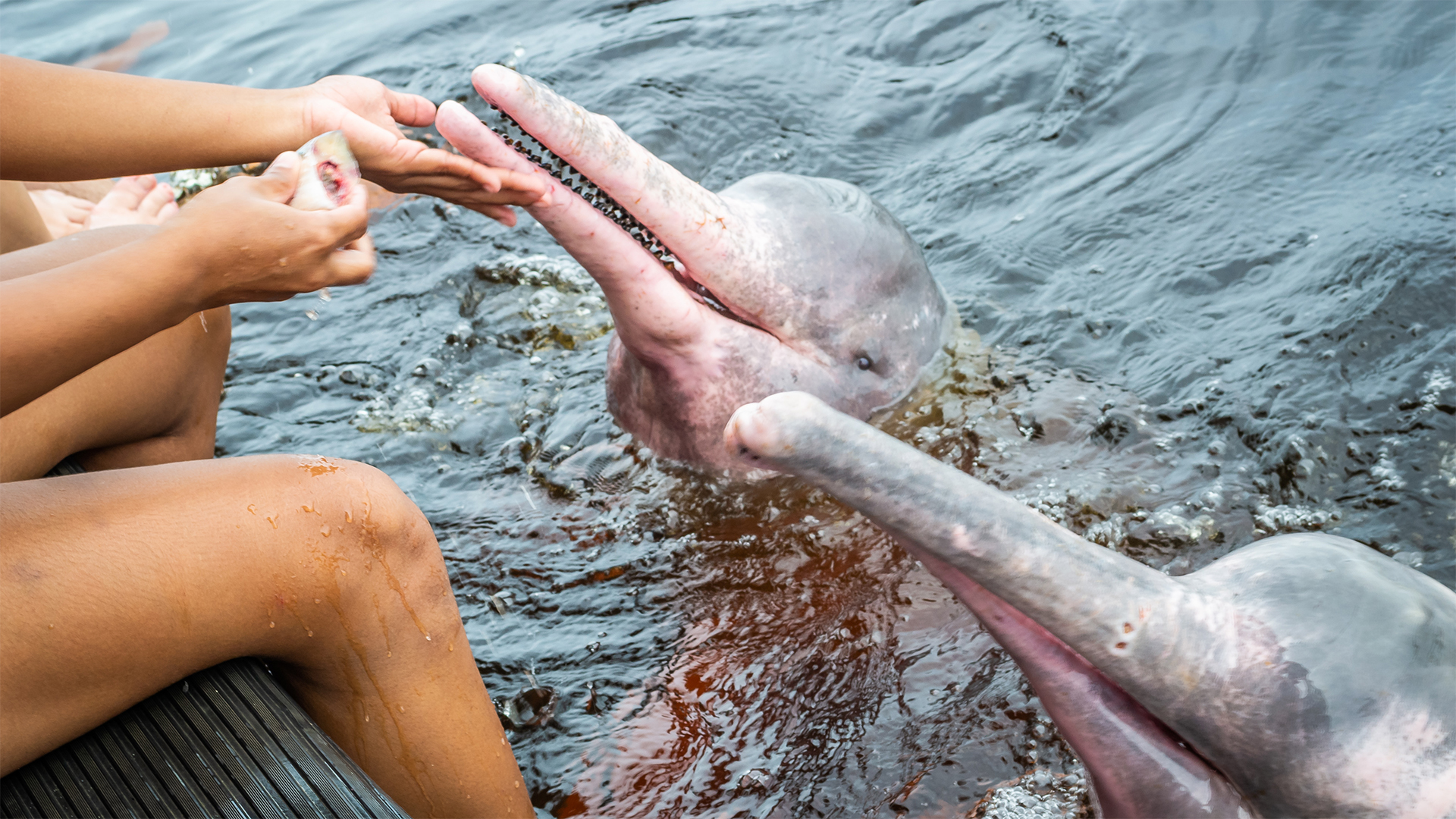
Conservation Travel in the Amazon
Market analysis of conservation travel in the Peruvian Amazon has shown that ecotourism is more profitable in the long term than other common uses of the land. Short-term benefits of large-scale logging, for example, exceed those of ecotourism, but deplete the land at a rate that leaves it unusable within just a few years.
The same study reported that avoiding deforestation had a far greater positive impact than the carbon footprint of visitors; ecotourism significantly reduced carbon emissions when comparing those two metrics. Finally, the study showed that conservation tourism increased the value of other local businesses by making the area increasingly attractive to wildlife, tourists, and locals alike.
Our mission is conservation through exploration: protecting our planet by inspiring travelers, supporting local communities and boldly influencing the entire travel industry. Travel can imbue value to natural habitats, bringing economic resources to local communities and inspiring them to protect wild places and the wildlife that thrives within them. Travel can help visitors and locals alike understand what is at stake in the Amazon.
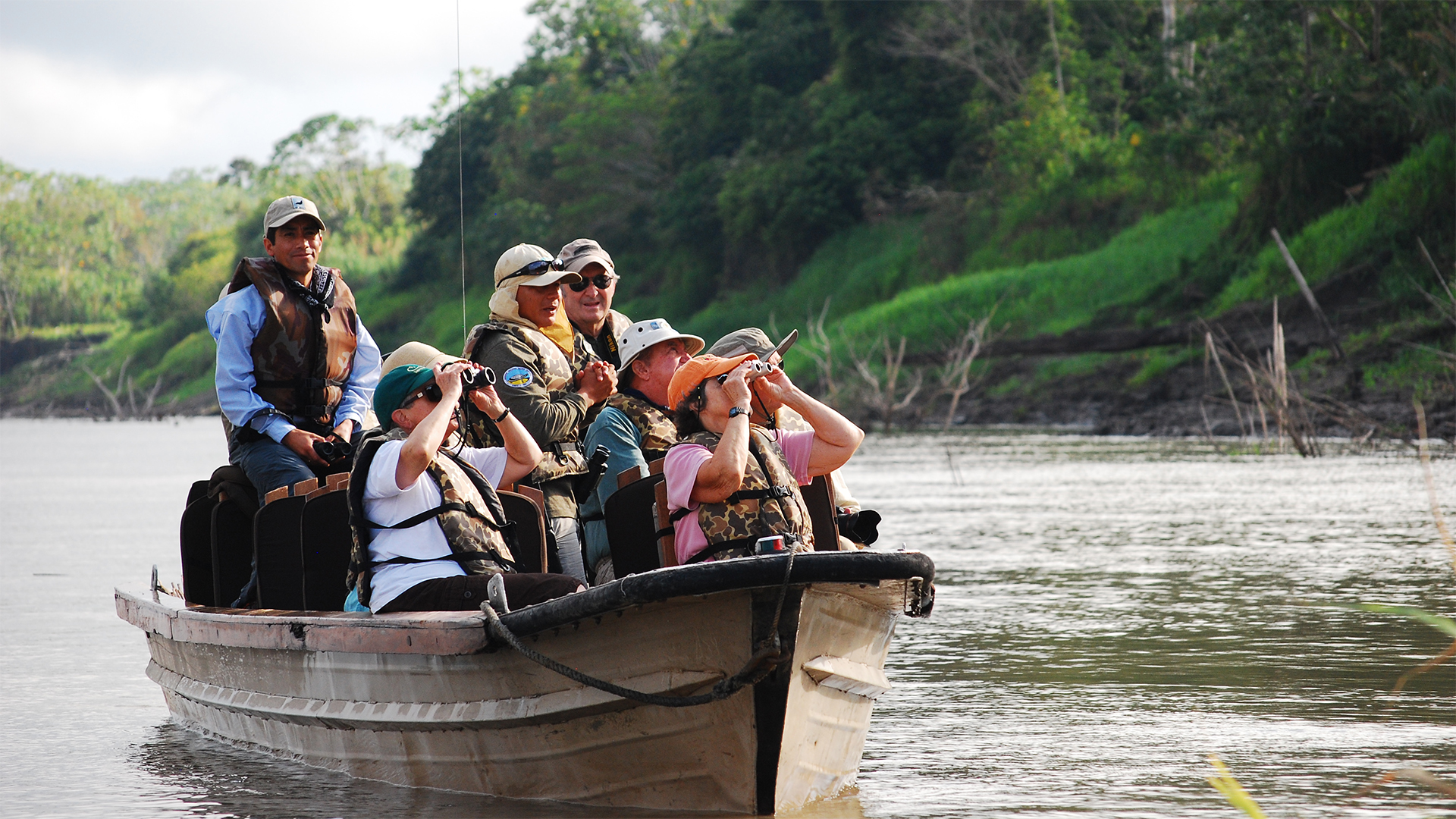
Nat Hab Guests explore Peru’s Amazon © Nat Hab Staff Megan Koelemay
We offer multiple itineraries for exploring and contributing to conservation in the Amazon River basin:
Discover Amazon & Machu Picchu
Cruise to the headwaters of the Amazon River for an immersion in the primeval rainforest on the Discover Amazon & Machu Picchu’s year-round itinerary. Select departures for this trip sail on Nat Hab’s new 164-foot-long river cruise ship, the Zafiro, which offers guests the opportunity to participate in turtle restoration and forest replanting. The ship eschews single-use plastics, minimizes waste through recycling and repurposing materials, conserves energy and water through automatic shut-off and water-saving devices, and uses energy generated from solar and biomass systems.
Great Amazon River Expedition
On our Great Amazon River Expedition, the journey’s focus is the Pacaya Samiria National Reserve at the Amazon River’s headwaters. According to Nat Hab Expedition Leader Renzo Zeppilli, the reserve is home to 250 fish species and protects more than 130 species of mammals, 150 reptile and amphibian species and 450 kinds of birds. It also contains the largest variety of flora in Peru, including gigantic bromeliads and 22 orchid species.
Supporting conservation efforts through travel and advocacy helps preserve not just the dolphins but the entire Amazon ecosystem. Mariana Paschoalini Frias, Conservation Analyst at WWF-Brazil, reminds us:
“River dolphins are considered ‘sentinels’. In other words: They are indicative of the health of the environment where they live. What happens to them is reflected in the other species that live around them, including humans.”
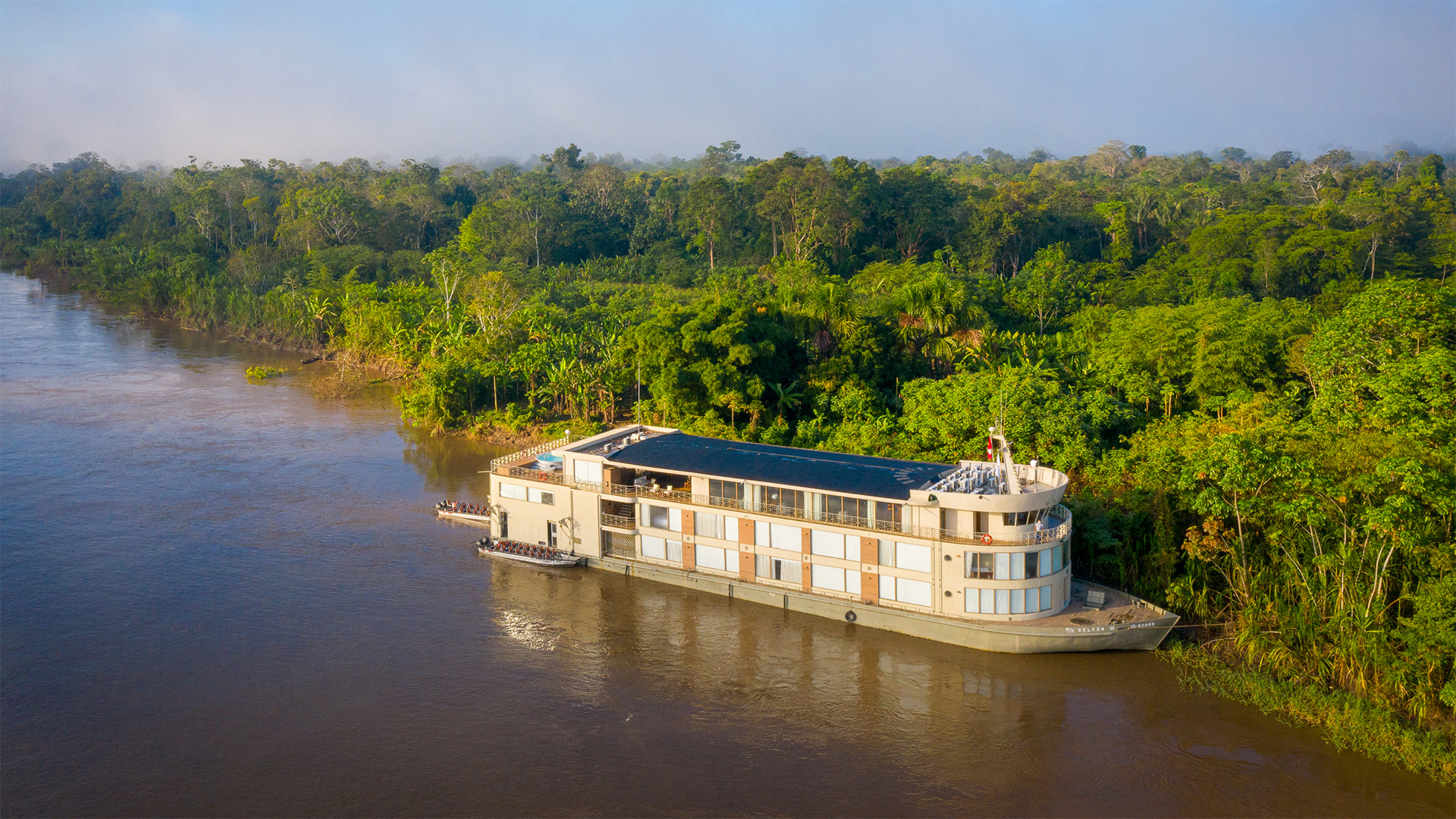
Delfin III, The Great Amazon River Expedition
The post Ancient Legends, Modern Challenges: Protecting the Amazon’s Pink River Dolphins first appeared on Good Nature Travel Blog.
